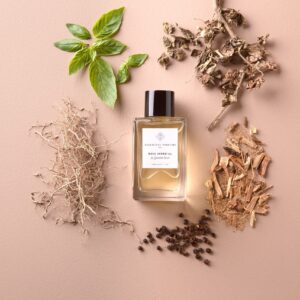
Ask a perfume lover where fragrance began and many will say the same word: Grasse. This hilltop town in the south of France has shaped the way the world thinks about perfume for hundreds of years. If you have ever wondered why Grasse perfume has such a legendary reputation, this guide explains it in plain language, from scented gloves to jasmine fields, and what it all means when you shop for fragrance today.
Where is Grasse and why does it matter?
Grasse sits in the Provence region of southern France, inland from Cannes and the Mediterranean coast. It is a small town, yet it is widely called the perfume capital of the world. The reason is a rare mix of climate, flowers, skill and history that came together in one place.
For perfume lovers, Grasse matters because many of the finest natural ingredients used in fragrance have long been grown, harvested and processed there. Its craft has influenced how perfumers around the world think about quality.
From leather tanning to perfume: the story of Grasse perfume
Grasse did not start as a perfume town. For centuries it was known for tanning leather. The trade was important, but the smell of raw hides was far from pleasant, and customers wanted something better.
In the 16th century, scented gloves became fashionable among the French and Italian elite, and Catherine de’ Medici is often credited with helping to popularise them. Tanners in Grasse began treating their leather with fragrant flower extracts to mask the odour. Over time, the scent became more valuable than the glove.
By the 18th century, perfume had overtaken leather as the main business. Some of the oldest perfumery houses in the area, such as Galimard and Molinard, date back to this period of growth. Grasse never really stopped after that, and it became the centre of natural perfume raw materials in Europe.
Why Grasse? Climate, water and flowers
The location helped. Grasse has a sheltered Mediterranean climate with plenty of sunshine, mild winters and enough rainfall and water for flowers to flourish. The surrounding hills and valleys give growers a variety of conditions in a small area.
The flowers most closely linked to Grasse perfume include:
- May rose (Rosa centifolia): a soft, honeyed rose picked by hand in May.
- Jasmine grandiflorum: rich, warm and slightly fruity, gathered in the early morning when its scent is strongest.
- Tuberose: creamy, heady and dramatic, used in many classic floral perfumes.
- Orange blossom: bright and sweet, used for neroli and orange flower absolute.
- Mimosa: powdery and golden, with a gentle honeyed feel.
These flowers are delicate. Many must be picked by hand at the right moment, which is a large part of why the best natural materials are so costly. It takes a very large amount of petals to produce a tiny quantity of precious extract.
How flowers become perfume ingredients
Collecting flowers is only the first step. Turning them into something a perfumer can use takes technique. Grasse developed or refined several methods over time:
- Steam distillation: steam carries the aromatic oil out of the plant, giving an essential oil.
- Solvent extraction: delicate flowers like jasmine are washed with a solvent to produce a waxy concrete, which is then refined into an absolute.
- Enfleurage: an older, very slow method that used fat to capture a flower’s scent. It is now rare because it takes so much time and labour.
If you want to understand the wider journey from raw material to bottle, read How Perfume Is Made: From Raw Materials to the Finished Bottle, which walks through the process in more detail.
Grasse and the notes you love
Many of the classic floral notes used in fine fragrance come from the Grasse tradition. Understanding them helps you read a perfume description with more confidence. Our guide to The Power of Fragrance Notes: Understanding Top, Middle & Base Notes explains how top, middle and base notes unfold, and Understanding Fragrance Families: A Complete Beginner’s Guide shows where floral scents sit among the wider families.
One of the most famous examples of the link between Grasse and a modern icon is Chanel No. 5, which is widely associated with Grasse jasmine and May rose. It shows how these local materials became part of perfume history.
Grasse perfume today
Today, Grasse is still a working centre for perfume. Flower growing continues on a smaller scale than in the past, and many of the world’s major fragrance and flavour companies keep a presence in the area. Much of the world’s raw perfume material now comes from many countries, but Grasse remains a symbol of quality and craftsmanship.
In 2018, UNESCO added the perfume know-how of the Pays de Grasse to its list of intangible cultural heritage. This covers growing perfume plants, knowing and processing natural raw materials, and the art of composing a fragrance. It was a way of recognising that the skill, not just the flowers, is worth protecting.
The work of the people behind the scenes is a fascinating subject. You can learn more in Inside the World of Master Perfumers and Meet the Secret Giants Who Create Your Signature Scent.
How to experience Grasse for yourself
If you ever visit the south of France, a trip to Grasse is a treat for anyone who loves fragrance. Here are some ideas:
- Visit the International Museum of Perfumery to see the history of the craft.
- Tour a traditional perfumery such as Fragonard, Molinard or Galimard to watch how scent is made.
- Plan around the harvests. May is the month for roses, while jasmine is gathered later in the summer and into autumn.
- Take a workshop and blend a small scent of your own to take home.
What Grasse teaches us about buying perfume
You do not need to travel to benefit from Grasse’s story. Knowing where ingredients come from helps you ask better questions. Be careful with marketing: a phrase such as inspired by Grasse is not the same as ingredients grown there. When a brand explains its sourcing clearly, that is usually a good sign.
Sustainability matters here too, since natural harvests depend on land and climate. Our article on Sustainable Perfume: What Makes a Fragrance Eco-Friendly? looks at how the industry is trying to protect the materials it relies on, and The Heritage Renaissance: Why 100 Year Old Scents are Dominating shows why old fashioned craft is popular again.
Frequently asked questions
Why is Grasse called the perfume capital of the world?
It earned the title through centuries of growing flowers, extracting scent and training perfumers. Its climate and skills made it the heart of natural perfume making.
Is all Grasse perfume made from natural flowers?
No. Modern perfumes use both natural and synthetic ingredients. Grasse is famous for its natural raw materials, but a fragrance is not made only from them.
When is the best time to visit Grasse?
May is popular for the rose harvest, and late summer into autumn for jasmine. The town is pleasant to visit through much of the year.
Does Grasse still grow flowers for perfume?
Yes, though on a smaller scale than before. Growers continue to supply some of the most prized floral materials to major houses.
Final thoughts
Grasse perfume is a story of leather, flowers and patient craft that still shapes fragrance today. The next time you smell a rose or jasmine in a perfume, you may be smelling a tradition that began in a small town on a sunny hillside. Keep exploring the guides on this site to learn how to find fragrances you love.